Latest

Nowhere. It is in the gap between earning and receiving: retention held, valuations not yet paid, variations not yet billed, materials paid for before the work sold them. Profitable firms fail on exactly this arithmetic, and the fix starts with seeing the four holes.
Read now
Generally yes: a building contract does not need a signature, and an email exchange with a scope, a price and a yes can be the whole contract. Which is good news and bad news, because your casual replies bind you exactly as hard as your careful ones.
Read now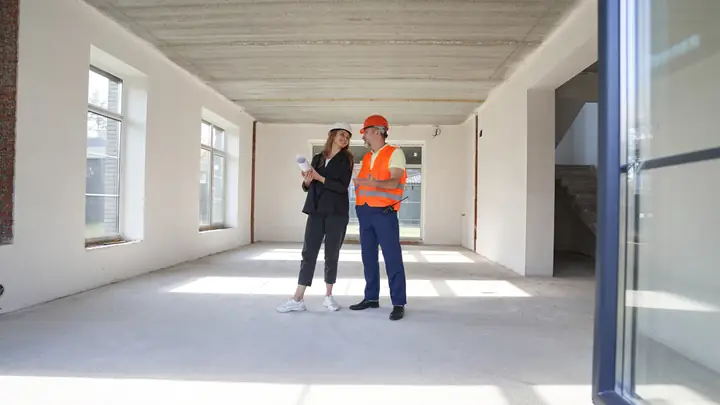
Half your retention, the end of delay damages and the start of the defects period all hang off one certificate nobody has issued. Why occupation is your strongest evidence, and the letter that turns living in the building into a completion date.
Read now
If the contract names a rate, yes: liquidated damages are the pre-agreed price of lateness, no proof of loss required. But the deduction has conditions, a certificate on some forms, a pay less notice on Act jobs, and an extension of time defeats it altogether.
Read now
Losing money starts at the pricing desk, not on site: the forgotten preliminaries, the labour priced at wages instead of cost, the markup that was really the contingency. A pricing structure that separates cost from judgement, so you can see which one was wrong later.
Read now
Unfixed materials are the most common source of interim overpayment. The conditions for certifying them, why off-site materials are treated differently, and what happens on insolvency.
Read now
Mostly not. The Construction Act excludes contracts with a residential occupier, so on the most common small job in Britain there is no notified sum, no statutory suspension and no adjudication. What disappears, what survives, and how to put the machinery back by contract.
Read now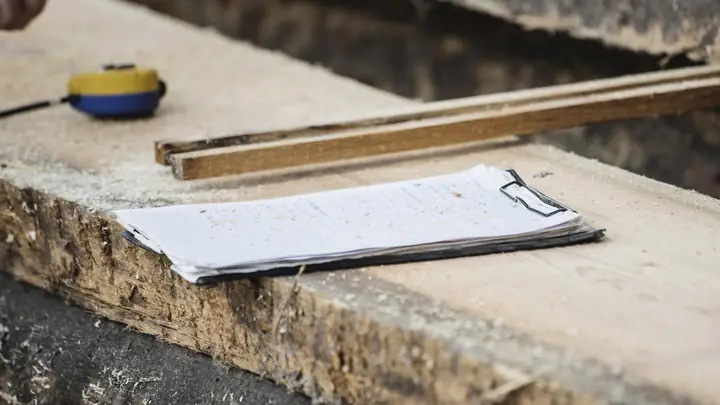
An account is only as good as what supports it, and those documents are created during the job or they are not created at all.
Read now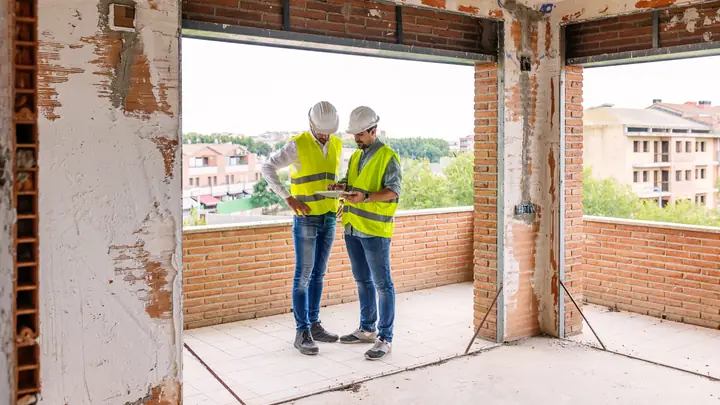
Both let the employer occupy part of the works early. One is planned in the contract, the other is the mechanism for when it was not.
Read now