Variations
What is a provisional sum, and what happens when the real work shows up?
The quote says “provisional sum for drainage below ground: 8,000” and everyone signs, comfortable. Six weeks later the ground is open, the real scope exists, and the comfortable number turns out to have been a placeholder for an argument. It does not have to be.
QScope Team·16 December 2025·5 min read
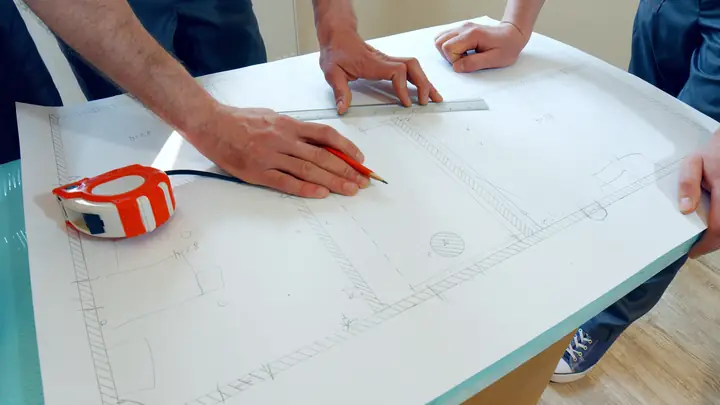
A provisional sum is an allowance in the contract for work that could not be properly defined when the price was agreed: the below-ground unknowns, the structure behind the plaster, the kitchen the client has not designed yet. It differs from its neighbour the prime cost sum in what is unknown: a PC sum knows the scope and not the product price; a provisional sum does not yet know the work itself.
The mechanism: instruction out, valuation in
The allowance is not a price for the work, it is a bookmark. When the work firms up, the standard mechanism runs: the sum is expended by instruction, the actual work is valued under the variation rules, rates where they fit, fair valuation where they do not, and the contract sum adjusts by the difference, in either direction. £8,000 allowed, £11,300 valued: the price rises £3,300. £5,200 valued: it falls £2,800, and yes, that cut binds, the allowance was never money you had earned, just money reserved.
Practical consequence number one: treat every expenditure like the variation it legally is. Instruction in writing, valuation submitted promptly, into the next application, exactly the discipline the variations pages preach, because a provisional sum expended on a nod becomes the verbal instruction problem with a bigger number attached.
The word that decides whether you also get time: defined
Standard forms split provisional sums in two, and the split allocates risk you have already priced without noticing. A defined provisional sum comes with enough stated information, what the work is, roughly how much, where it goes, that you are deemed to have allowed for it in your programme and preliminaries: when it firms up you get the money valuation, but no extra time and no prelims, you supposedly planned for it. An undefined provisional sum carries no such deemed allowance: when it lands, it can ground an extension of time and its costs. So at tender, read each provisional sum against its label: a “defined” sum with vague information is mislabelled risk being handed to you, and querying it before signing costs one email; absorbing it in month four costs a fortnight of unpaid prelims.
On a job for someone living in the house
The mechanism is contractual, so a homeowner quote only has it if you wrote it in, and you should: a provisional sum honestly labelled, “allowance for drainage below ground, actual cost to be confirmed once excavated and agreed before the work proceeds”, is the honest way to price the unknowable, and consumers accept it well precisely because it admits what nobody can know. The alternative habits are both worse: a lump-sum price silently carrying the risk yourself, or the “we will sort it when we see it” that becomes the was-it-included argument. Ambiguity in your own drafting reads against you on consumer terms, so the one-sentence explanation of how the allowance works belongs in the quote itself (section 106 meaning the contract is the whole framework here).
What to do this week
1. List the provisional sums on the live job and their status: expended by instruction, expended informally, or still open. Paper the informal ones now.
2. At the next tender, test every “defined” label against the information actually provided, and query the mislabelled ones before signing.
3. Run every adjustment through the account as it crystallises, both directions, because provisional sums saved for the final account arrive as one indigestible argument.
Where the information stops
How your form words the defined/undefined split, and whether a badly specified sum can still carry its deemed allowance, are wording questions with money attached; on a big sum that landed heavy, have the label and the information behind it read professionally before you concede the prelims.