Construction Act
The client has disappeared mid-job. What do I do with the site?
A vanished client leaves you holding the two worst things in construction: unpaid work behind you and uncosted work in front of you. The first is a debt. The second is still your choice, and stopping the meter is the one move nobody can take away from you.
QScope Team·26 November 2025·6 min read
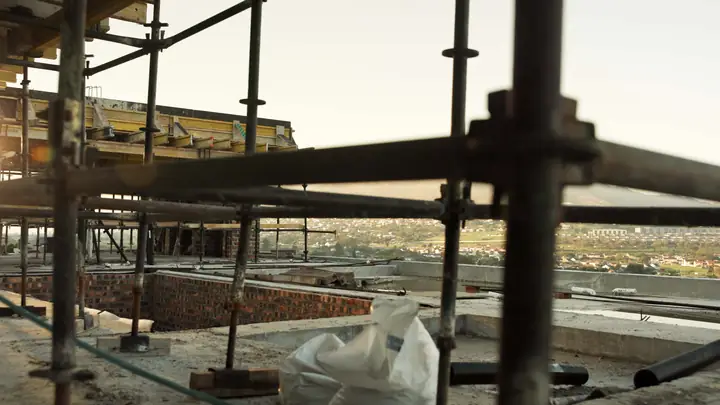
Everything below is about sequence. The builders who get burned here mostly did reasonable things in the wrong order: walked first, wrote later, valued never.
Move one: stop increasing your exposure, properly
Every day you keep building for a silent client, you lend them more money. But do not simply walk off site: on most contracts, downing tools without following the machinery is itself a breach, and it can convert their debt into your wrongful termination problem.
On a job the Construction Act covers, the clean route is the statutory one: unpaid sum past its final date, then written notice of intention to suspend, seven days, then suspension (section 112). It stops the meter, it is expressly not abandonment, and it survives the client reappearing with a lawyer. The full mechanics are on the suspension page. On a contract with a residential occupier the Act does not apply (section 106), so the right to suspend is whatever your contract says: read it before you stop, and put the stoppage in writing either way, tied to the unpaid sums.
Move two: find out what kind of disappearance this is
Ten minutes of checking changes the whole plan. Company client: the Companies House register shows whether the company is still active, late filing, or heading for strike-off; add a search for insolvency notices. If something formal has started, the rules change from that event, payment after termination and insolvency covers how, and speed matters more than tone. Individual client: still living at the property, posting holiday photos? That is avoidance, not flight, and the ladder in the client who goes quiet applies with the suspension running alongside.
Move three: record the state of the works, today
The day you suspend, the site is evidence. Photograph everything, room by room, dated. Value the works as they stand: measured work done, materials on site, materials ordered and not yet delivered. This valuation is the spine of every later document, the claim, the negotiation with a returning client, or the proof of debt if it ends in an insolvency.
Move four: the money, by the usual ladder
The unpaid valuations do not stop being due because the client stopped answering. Chase them as the debt they are: schedule letter, then a letter before action, then adjudication on a business job or the county court on a domestic one, with interest running. If the disappearance hardens into weeks, termination under the contract may be the right end state, but that is a step with formal notice requirements that punish improvisation.
What to do this week
1. Serve the seven-day suspension notice (or the contractual equivalent on a domestic job), in writing, tied to the unpaid sums.
2. Run the company and insolvency checks, and let the result pick between the quiet-client ladder and the insolvency page.
3. Photograph and value the works as of the stoppage date, and secure your unfixed materials and plant.
Where the information stops
This is the page in the series where professional advice earns its fee fastest. Suspension, termination and abandonment are neighbouring doors and only one of them is safe; which one your facts open is a question for a construction solicitor with the contract in front of them, ideally before the suspension notice goes out, and certainly before any notice of termination does.